
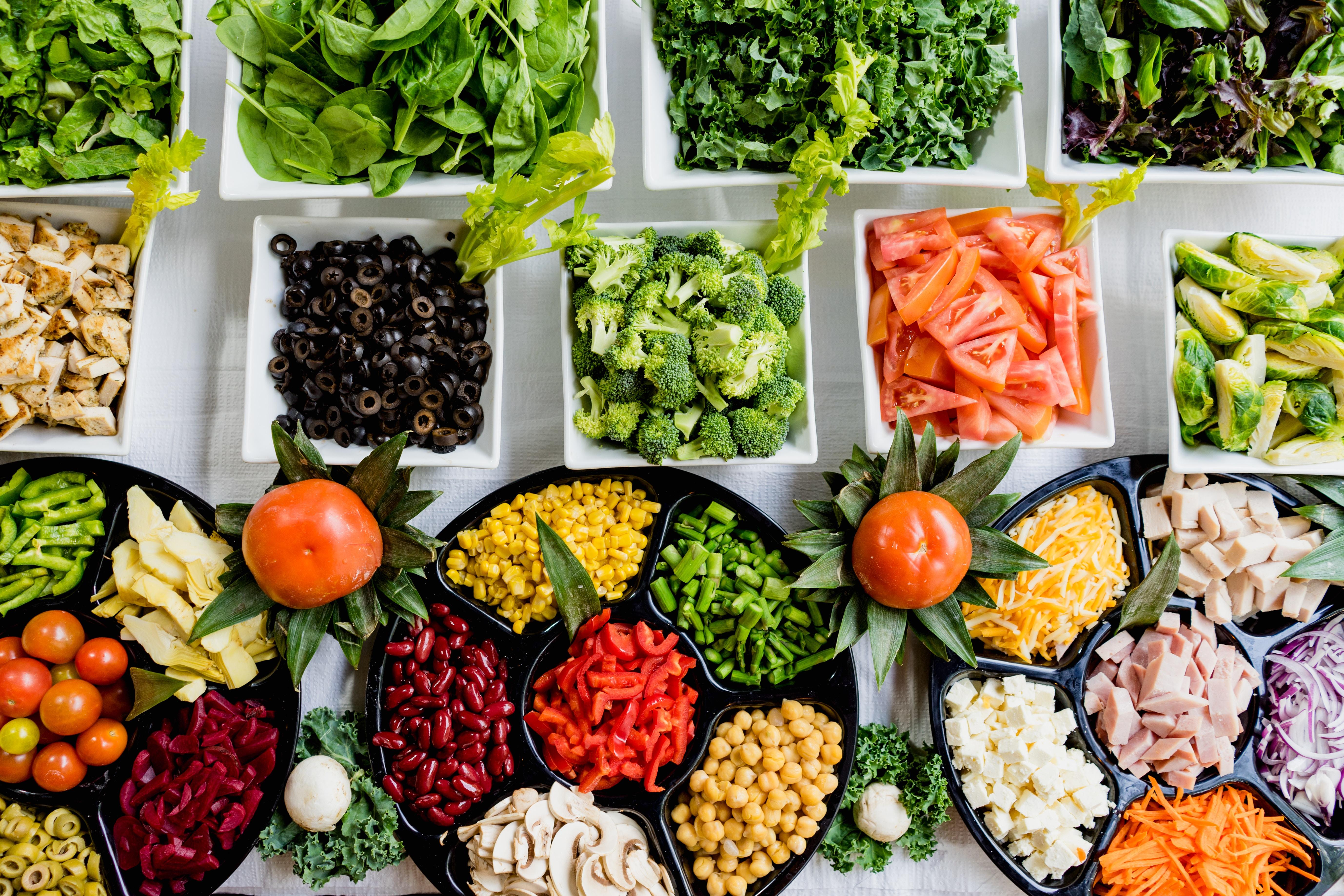
The rhythm of modern life often propels us into a cycle of hurried food choices, creating a significant disconnect from our body's fundamental needs. Convenience frequently takes precedence over nutritional value, leaving many feeling persistently drained and less vibrant. This widespread issue impacts daily vitality and overall well-being, fostering a pattern of suboptimal energy and reduced focus throughout the day.
Individuals frequently grapple with an overwhelming influx of information concerning food. The sheer volume of conflicting advice, fleeting trends, and countless product claims makes it incredibly challenging to identify truly beneficial options. This information overload can lead to decision paralysis, resulting in frustration and a sense of defeat when attempting to adopt more beneficial eating patterns.
The concept of "balanced eating" itself often feels abstract or unnecessarily complex to many. People tend to associate it with stringent regimens or deprivation, rather than viewing it as a sustainable and enjoyable approach to self-nourishment. This common perception establishes a psychological barrier, hindering exploration of simpler, more pleasant ways to integrate diverse and wholesome foods into daily life.
Time constraints represent another substantial obstacle. Preparing wholesome meals from scratch often seems like an unattainable luxury for those managing demanding work schedules, family responsibilities, and other commitments. The strong appeal of quick, processed alternatives becomes almost irresistible, even when individuals fully comprehend their long-term disadvantages. Addressing this practical challenge requires innovative and accessible strategies.
Common Hurdles to Nourishing Choices
- Lack of foundational understanding regarding essential nutrients, often leading to imbalanced plates and the omission of vital dietary components necessary for sustained well-being.
- The pervasive availability of highly processed, convenient foods, specifically engineered for maximum palatability rather than nutritional density, making healthier options seem less appealing.
- Societal pressures and prevailing cultural norms that frequently prioritize speed and ease of consumption over the thoughtful preparation and mindful enjoyment of food.
Practical Pathways to Balanced Eating
Solution 1: Streamline Meal Planning and Preparation
Embrace strategic meal planning to significantly reduce daily decision fatigue. Dedicate a small, focused amount of time once a week to outline your meals and create a precise shopping list. This proactive approach ensures that necessary ingredients are always on hand, thereby minimizing the reliance on last-minute, often less optimal, food choices. Focus on versatile and adaptable components.
Utilize efficient batch cooking techniques for fundamental staples such as whole grains, lean proteins, and roasted vegetables. Preparing larger quantities of these core items allows for the rapid assembly of diverse and nourishing meals throughout the week. This practical strategy streamlines the entire process, making wholesome eating considerably more accessible and less time-consuming for busy individuals.
Solution 2: Prioritize Nutrient-Dense Choices
Shift your focus towards actively incorporating a wider variety of nutrient-rich foods into your daily intake, rather than solely concentrating on eliminating specific categories. Consider adding more colorful vegetables, quality proteins, and whole grains to each meal you consume. This positive and additive framing encourages greater exploration and enjoyment of a diverse range of beneficial ingredients.
Educate yourself on simple, effective ways to enhance the nutritional profile of your everyday dishes. For example, stirring a handful of fresh spinach into a smoothie or integrating legumes into a soup can significantly boost essential vitamins and minerals without requiring complex culinary skills. Terraquikyoa is dedicated to supporting this empowering journey.
Solution 3: Cultivate Mindful Eating Practices
Practice mindful consumption by consciously paying close attention to your body's hunger and fullness cues. Intentionally slow down during meals, taking the time to truly savor the distinct flavors and varied textures of your food. This practice helps in accurately recognizing true satiety, preventing overconsumption, and fostering a healthier, more intuitive relationship with what you eat.
Create an environment conducive to eating, free from distracting elements like electronic screens. Dedicate your meal times specifically to the act of eating itself, allowing for full engagement. This seemingly simple shift can profoundly transform a hurried necessity into a moment of genuine nourishment and appreciation, significantly enhancing both your physical and psychological well-being.
Potential Considerations and Recommendations
- Overwhelm from initial changes: Attempting to implement too many new habits simultaneously can often lead to burnout and discouragement. Recommendation: Begin with just one small, clearly achievable change and consistently build upon it gradually, ensuring sustainable progress.
- Perceived lack of immediate progress: Cultivating balanced eating is an ongoing journey that yields cumulative benefits, not a rapid transformation. Recommendation: Focus diligently on consistency and genuinely celebrate even the smallest victories; trust in the compounding positive effects over time.
- Social pressure or misunderstanding: Friends or family members may not always share or fully comprehend your personal approach to food. Recommendation: Communicate your intentions clearly and calmly, always prioritizing your personal well-being without imposing your expectations on others.



Posts Comments
Write a Comment